
FG Launches Readiness Assessment to Save Farmlands and Meet Climate Goals
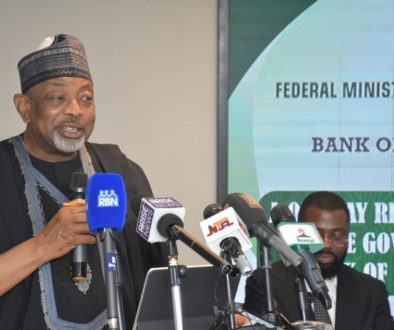
The Federal Government in collaboration with Deutsche Gesellschaft für Internationale Zusammenarbeit (GIZ) and other stakeholders has launched the Readiness Assessment for the Nigerian Farmers Soil Health Scheme (NFSHS), a nationwide audit to map soil degradation, align public spending, and anchor Nigeria’s food security as well as climate smart commitments
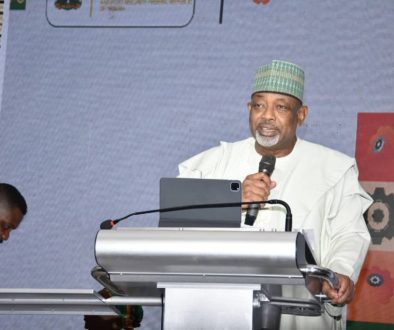
Speaking during the launch ceremony held in Abuja on Monday 4th May, 2026, the Minister of State for Agriculture and Food Security, Sen. Dr. Aliyu Sabi Abdullahi, said that the initiative aims to map soil degradation, establish 774 soil testing laboratories (one per LGA), and create the Nigeria Soil Information System (NISIS) to provide personalized Soil Health Cards and crop-specific fertilizer recommendations.
Sen. Dr. Abdullahi pointed out that “We convene today because a nation that is unable to feed itself cannot secure its future. No nation can sustain itself without healthy soil.”
He noted that years of nutrient depletion, erosion, and climate-related stress have left a significant portion of Nigeria’s farmland exhausted. “If we do not take decisive action, we will be unable to achieve the objectives outlined in the Nationally Determined Contributions (NDC 3.0), the National Agriculture Technology and Innovation Policy (NATIP 2022–2027), or the National Agriculture Resilience Framework,” the Minister warned.
The Minister emphasized that the Readiness Assessment would provide Federal, State, and Local Governments with a unified set of facts to guide expenditure. ‘’As His Excellency, Mr. President Bola Ahmed Tinubu GCFR signed the 2026 budget appropriation, this assessment will indicate where every naira will yield the highest return, the best nutrition, and the greatest resilience,”.
He stated further that the Initiative would address five critical areas: the alignment of fertilizer regulations, extension guidelines, and state budgets with soil health objectives; the adequacy, turnaround time, and precision of operational soil laboratories; the preparedness of Agricultural Development Programmes (ADPs), NISIS , and private labs to test 2 million farms annually; the integration of soil data with financial platforms to unlock loans for farmers; and the barriers of cost, distance, or awareness preventing smallholders from accessing soil testing.
Sen. Abdullahi explained that the NFSHS is fundamental to Nigeria’s NDC 3.0 targets, which require agriculture to contribute 0.4% of total emission reductions by 2035. Healthy soils sequester carbon, reduce nitrous oxide emissions, and lower dependence on synthetic fertilizer. He added that agroecology and agroforestry alone can achieve cuts of 158–712 million tons CO2e.
The Minister stressed that the scheme also serves as the primary pillar of climate-smart agriculture under NATIP 2022–2027 and directly supports the Renewed Hope Agenda. Echoing President Tinubu’s call to shift from subsistence to commercial farming, “No farmer can achieve commercialization on degraded soil’’
Emphasizing the next phase of full Soil Health Scheme implementation, the Minister said the Assessment is a preliminary step to the comprehensive Soil Health Scheme, which will expand soil testing through mobile laboratories and the Nigeria Soil Information System, scale up organic solutions including biochar, lime, and cover cropping, enhance extension services with digital tools for site-specific recommendations to end generic prescriptions, bundle finance by collaborating with NADF, the Bank of Agriculture, and private partners to link soil inputs with credit and insurance, and connect to watershed restoration and erosion control across…